

Is the UK’s Muslim Humanitarian Sector Failing to Help the Iranian People?
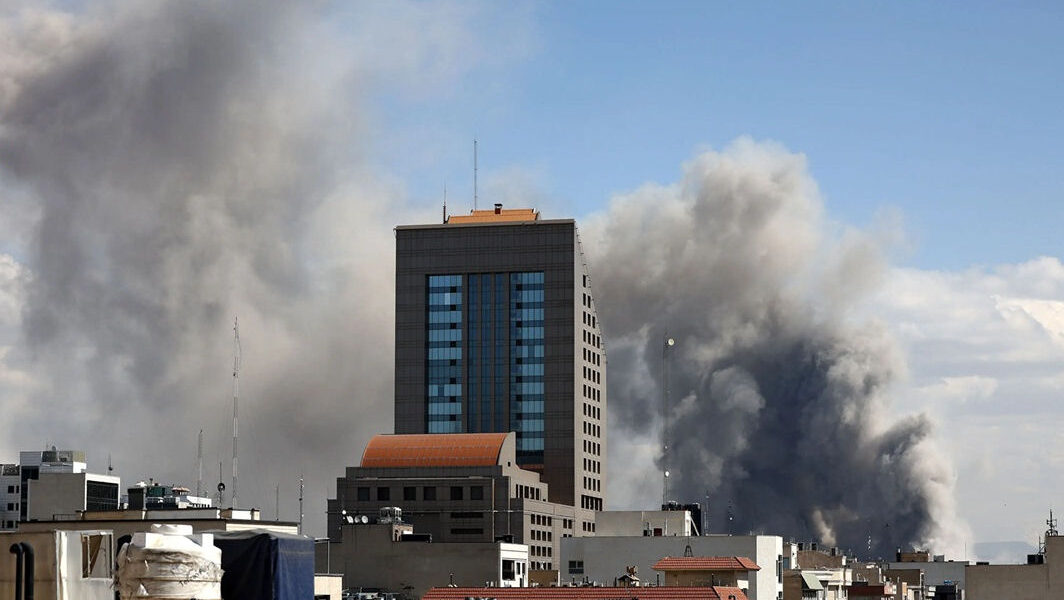
Three weeks since US and Israeli airstrikes began hitting Iran – and Britain’s Muslim charity sector, which raises over £700 million a year, does not appear to have launched a single dedicated Iran appeal.
The UK’s top 20 Muslim charities, ranked in the Ayaan Institute report of 2023, include a top five of Islamic Relief Worldwide — £148.9m, Aga Khan Foundation — £58.9m, Ummah Welfare Trust — £46.5m, Muslim Hands — £32.4m, Penny Appeal — £31.5m, all the way down to the Balqees Welfare Foundation — £6.9m, in twentieth.
Meanwhile, an estimated 3.2 million Iranians have been displaced in just two weeks of strikes. Hospitals, power stations and civilian infrastructure are being systematically destroyed. The Iranian Red Crescent is appealing urgently for international support.
If they want to help the Iranian public, UK charities face bureaucratic hurdles through UK sanctions regulations that mirror the US Treasury’s Office of Foreign Asset Control. The Office of Financial Sanctions Implementation (OFSI) at HM Treasury manages the legal framework for financial restrictions, ensuring no UK funds reach sanctioned individuals or entities in Iran. It issues specific humanitarian licences that allow UK charities to operate in high-risk zones without breaching asset-freezing provisions, provided they follow strict reporting and compliance protocols.
The Charity Commission acts as the civil regulator, focusing on the governance and duty of care exercised by charity trustees. It requires organisations to conduct rigorous due diligence on Iranian partners to prevent aid diversion toward prohibited entities or activities. While it does not directly manage sanctions, the Commission monitors for “serious incidents” and can intervene if a charity’s operations in Iran risk damaging its reputation or violating UK charity law.
Yet despite these hurdles, others are acting. As the largest UN agency present in Iran, the UNHCR has launched an active emergency appeal and is on the ground, scaling up emergency supplies. The International Federation of the Red Cross and the British Red Cross have launched an emergency appeal and a regional fund to provide direct medical aid and search-and-rescue support within Iran. Meanwhile, Save the Children and SAT-7 UK are addressing the impact of the crisis on Iranian civilians by channelling donations through their broader emergency frameworks to support child protection and essential communication services.
And at the grassroots level, Kashmiri communities in India have been going door-to-door collecting gold, cash and copper utensils for Iran relief since Eid.
So the question remains – when will our British Muslim humanitarian sector make a concerted effort to help the Iranian people?
Yahya Birt is a research director at the Ayaan Institute.
Leave a Reply